

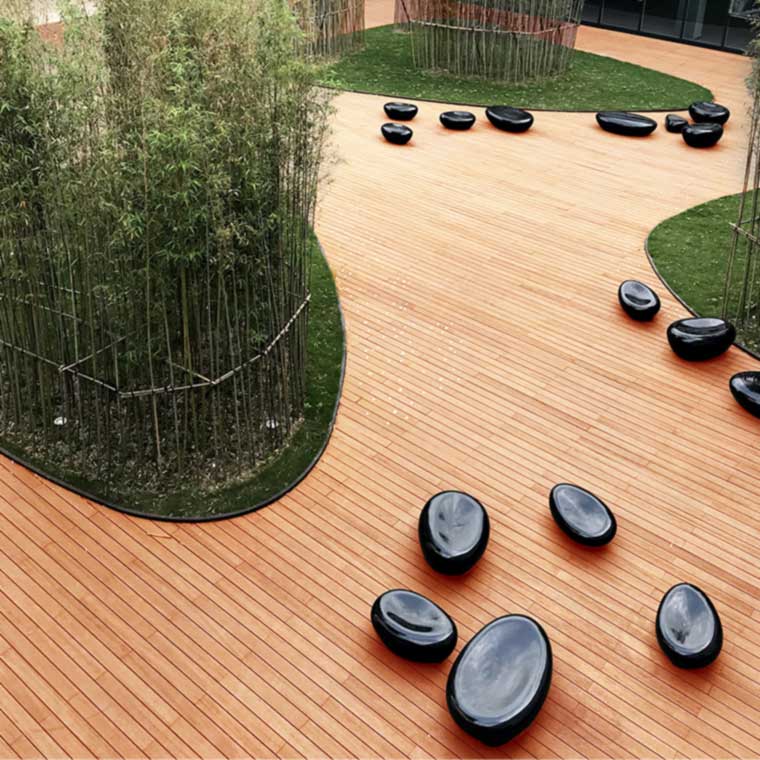
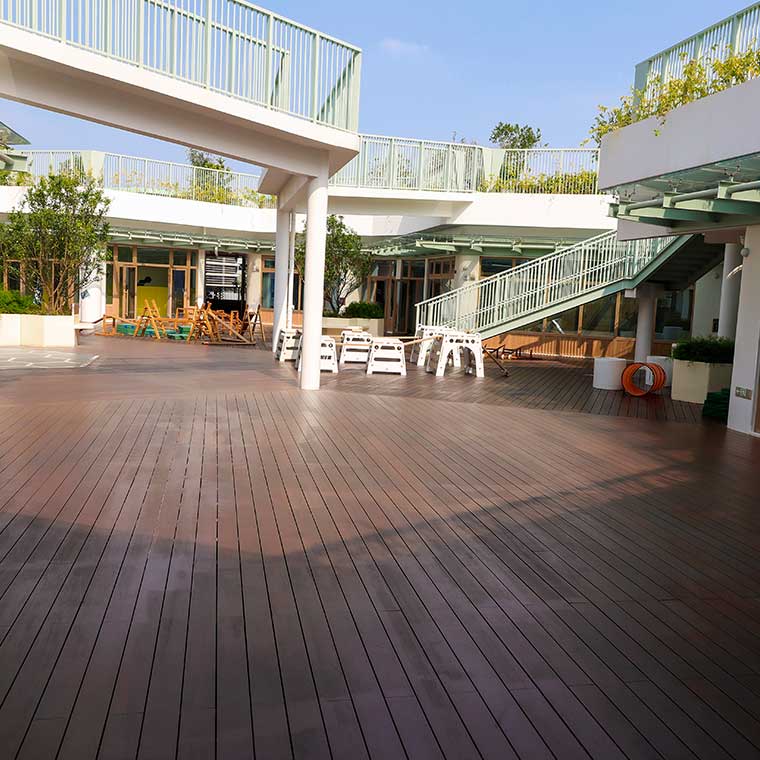
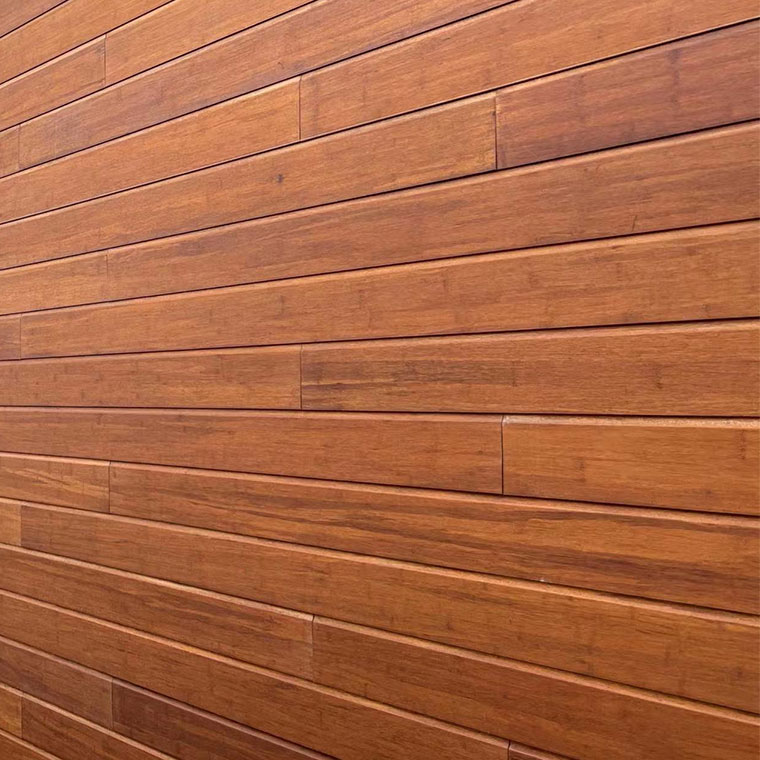
As the global construction, furniture manufacturing, and commercial design industries rapidly move toward environmentally responsible material choices, OEM bamboo panels have become one of the fastest-growing alternatives to traditional wood. At the center of this global shift stands Fujian Golden Bamboo Industry Co., Ltd., an OEM Customized Bamboo Panel Factory in China for Global Brands,, offering deep manufacturing expertise and next-generation bamboo innovations that meet the sustainability, durability, and performance expectations of international markets.
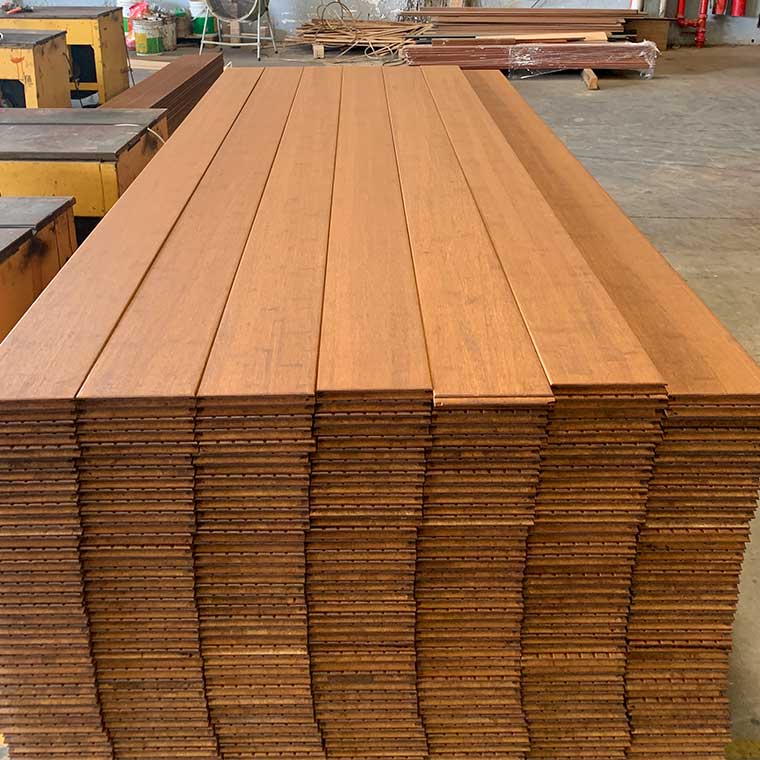
Founded in 2011 and headquartered in Nanjing Town, Zhangzhou City—one of China’s most abundant and ideal regions for bamboo growth—Fujian Golden Bamboo Industry Co., Ltd. operates a modern 133,400-square-meter facility dedicated to advancing bamboo science and sustainable industrialization. With a mission of “promoting global environmental protection and reducing the consumption of ecological resources,” the company has built a strong global footprint supported by its trusted brand, REBO, and its comprehensive R&D, production, and design capabilities.
Today, as architects, wholesalers, builders, and global brands rethink material sourcing, the comparison between OEM bamboo panels and traditional wood panels has never been more relevant. From performance and cost-efficiency to environmental impact and long-term reliability, bamboo increasingly outperforms wood across key indicators—reinforcing why Golden Bamboo’s OEM solutions are gaining worldwide adoption.
Industry Growth: Why OEM Bamboo Panels Are Surpassing Traditional Wood
1. Global Demand for Sustainable Materials Is Accelerating
Governments, commercial developers, and international retailers are emphasizing low-carbon materials. Bamboo, which grows 20 times faster than hardwood and regenerates without replanting, has become a prime candidate for green building certification programs. Compared to traditional timber harvesting, bamboo production significantly reduces biodiversity loss, CO₂ emissions, and land degradation.
2. Rising Restrictions on Timber Harvesting
Many countries have tightened logging regulations and imposed import restrictions on tropical hardwood. This has increased cost pressure and created supply instability for wood panel manufacturers. In contrast, bamboo—especially strand woven bamboo—provides a reliable, scalable, and cost-effective supply chain that meets both performance and regulatory needs.
3. Technology Advancements Are Boosting Bamboo’s Capabilities
Fujian Golden Bamboo Industry’s continuous innovation has dramatically expanded bamboo’s engineering performance. With a team of 10 bamboo research experts, 11 designers, and 26 technical specialists, the company has developed technologies that deliver wood-surpassing strength, higher density, fire ratings up to Bfl-s1, Use Class 4 durability, and nearly zero formaldehyde emissions (E1). These advances are elevating bamboo panels from niche products to mainstream material solutions across global markets.
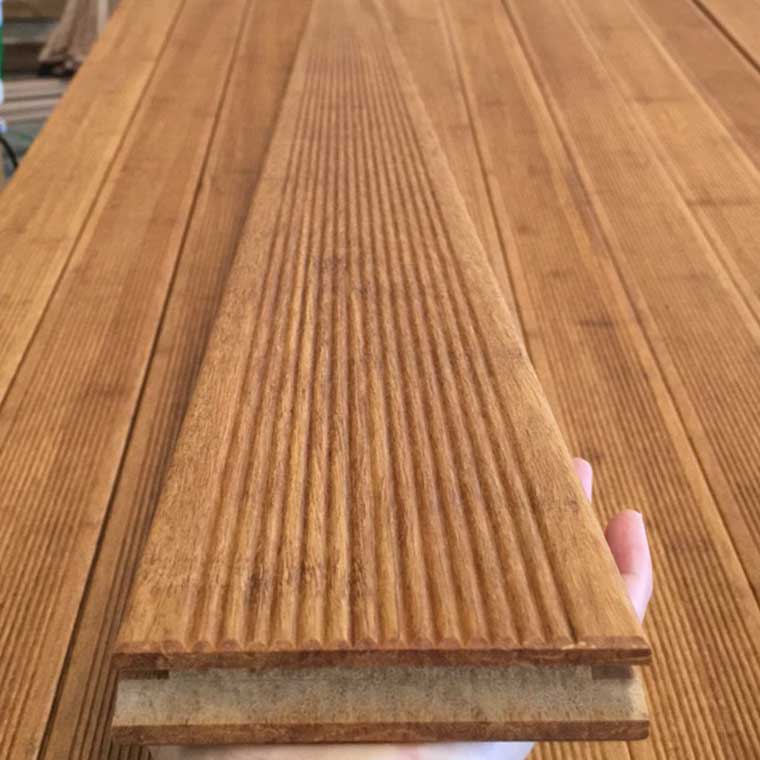
**OEM Bamboo Panels vs. Traditional Wood Panels
A Manufacturing Comparison from China’s Leading Factory**
1. Material Strength & Durability
Strand-woven bamboo, produced through high-pressure and high-temperature processing, offers exceptional density and mechanical strength. In many testing conditions, it surpasses oak, teak, and pine.
Traditional wood panels, depending on the species, face limitations such as:
l vulnerability to moisture and decay
l susceptibility to insects
l warping and dimensional instability
Golden Bamboo’s products carry Durability Class 1, Use Class 4, slip-resistance approvals, and structural stability that remain reliable in both indoor and outdoor conditions. This makes OEM bamboo panels ideal for commercial buildings, hotels, façades, furniture manufacturing, and high-traffic applications where traditional wood may fail.
2. Environmental Impact & Carbon Footprint
Bamboo Panels
l Extremely fast-regenerating plant
l Absorbs more CO₂ per hectare than most forests
l Requires no pesticides or chemical fertilizers
l Produces significantly less waste during manufacturing
Fujian Golden Bamboo Industry holds certifications including FSC, REACH, EPD, LCR, and PFAS-related compliance, ensuring that all OEM products meet the strict environmental standards required by global brands.
Traditional Wood Panels
l Long regrowth cycle (often decades)
l More intensive harvesting impact
l Higher embodied carbon
l Increasingly restricted by global regulations
For sustainability-focused companies, bamboo provides a powerful competitive advantage.
3. Manufacturing Flexibility & OEM Customization
Fujian Golden Bamboo is recognized globally for its advanced OEM capabilities. The company provides:
l customized dimensions for panels, boards, beams, and cladding
l multiple surface treatments and colors
l structural and decorative variations
l high-precision machining for furniture, flooring, and architectural use
Traditional wood panels, while widely customizable, often face limitations due to grain direction, species availability, and machining risks (splitting, knot defects, dryness issues). Bamboo’s engineering consistency gives designers and manufacturers greater freedom and stability in mass production.
4. Cost Efficiency Across the Product Lifecycle
While the initial price of high-quality bamboo panels can be similar to or slightly higher than certain wood species, the long-term economic advantage is clear:
Bamboo OEM Panels
l longer lifespan
l lower maintenance
l reduced material waste
l stable supply and pricing
l lower installation and replacement costs
Traditional Wood Panels
l require treatments to resist insects, moisture, or rot
l may deform in extreme humidity or outdoor environments
l cost fluctuations depending on timber supply
l higher maintenance over time
Global brands looking for lifecycle cost reduction increasingly choose bamboo OEM solutions.
5. Application Expansions Enabled by Bamboo Innovation
Fujian Golden Bamboo’s product lines now serve more sectors than ever:
ü wall cladding (interior & exterior)
ü ceiling panels
ü furniture components
ü beams and structural elements
ü flooring and decking
ü horse stable planks
ü commercial façades
ü landscape architecture
Traditional wood remains strong in furniture and interior use, but its limitations restrict widespread adoption in outdoor, high-moisture, or heavy-duty commercial environments. Bamboo’s engineered resilience unlocks far broader applications.
Golden Bamboo: A Trusted OEM Partner for Global Brands
With nearly 100 national invention and practical patents, Golden Bamboo has established a full-chain ecosystem covering R&D, manufacturing, quality control, and global supply logistics. The company exports to:
ü the United States
ü Europe
ü the Middle East
ü Australia
ü Asia
ü South America
As its product lines grow, Golden Bamboo continues to collaborate with environmentally driven developers, architects, and brands seeking strategic OEM partnerships.
As global markets embrace renewable materials that offer both performance and sustainability, OEM bamboo panels are rapidly advancing beyond traditional wood panels. For companies needing consistency, durability, eco-certification, and scalable production, Fujian Golden Bamboo Industry Co., Ltd. stands out as a top choice—combining advanced manufacturing with a strong commitment to environmental responsibility.
To learn more about OEM bamboo panels, customization options, and commercial applications, visit the official website: https://www.goldenbamboo.cn/ or www.rebo-bamboo.com
